

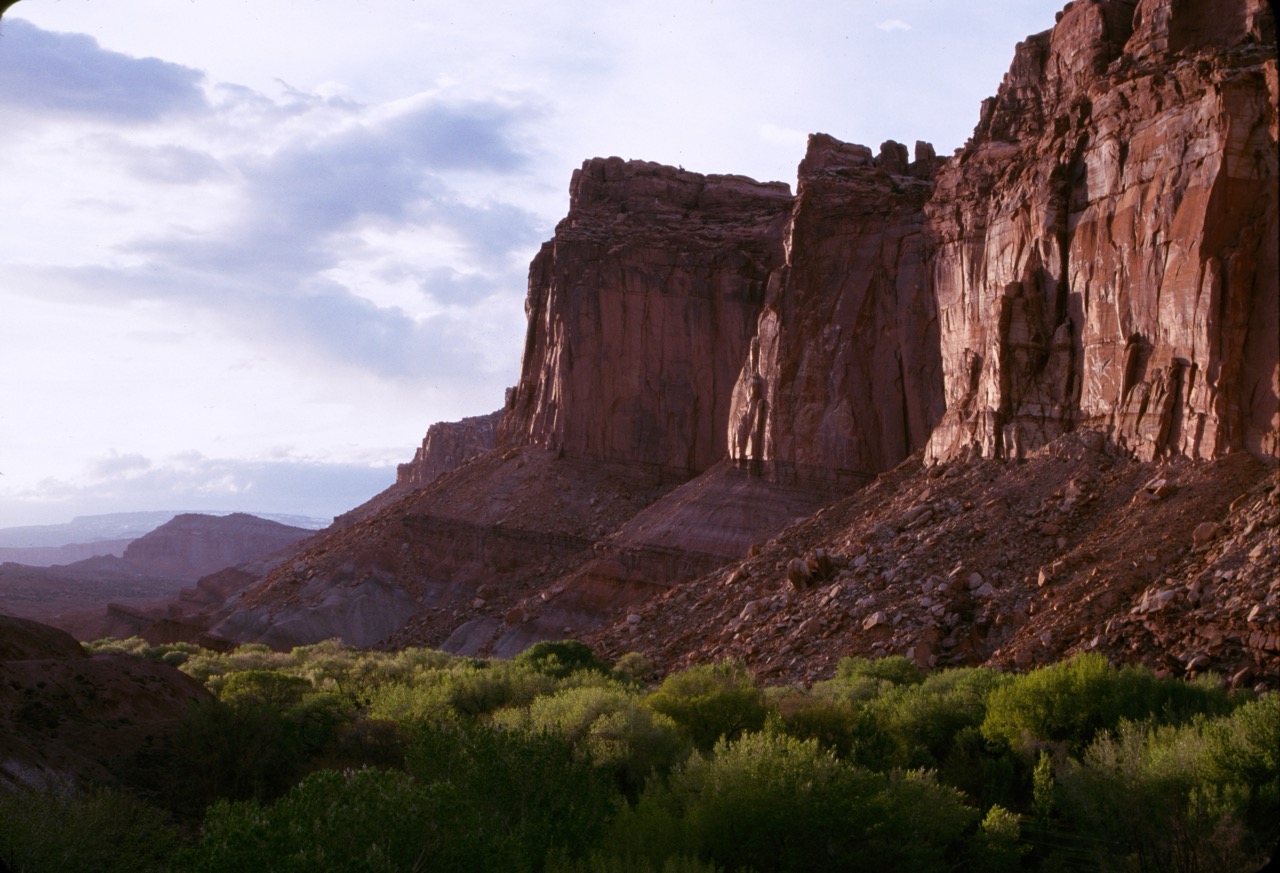
The Broken Spur Inn is just minutes from the park entrance, with breakfast, an indoor pool, and an on-site steakhouse.
If you’ve been planning a Utah road trip, you’ve probably noticed something: Capitol Reef doesn’t get talked about nearly as much as Zion, Arches, or Bryce Canyon. That leads a lot of travelers to ask the same question, is Capitol Reef actually worth visiting?
The short answer is yes, absolutely. But the longer answer is more helpful, because Capitol Reef is different from the other parks in ways that aren’t immediately obvious from photos or Google Maps. It’s quieter, more spread out, unexpectedly scenic, and full of small details you won’t find anywhere else in the state.
Below, we’ll walk through the most common questions people have about Capitol Reef and give straightforward, specific answers to help you decide whether to include it in your trip. If anything, this park tends to surprise people — often becoming the place they remember most.
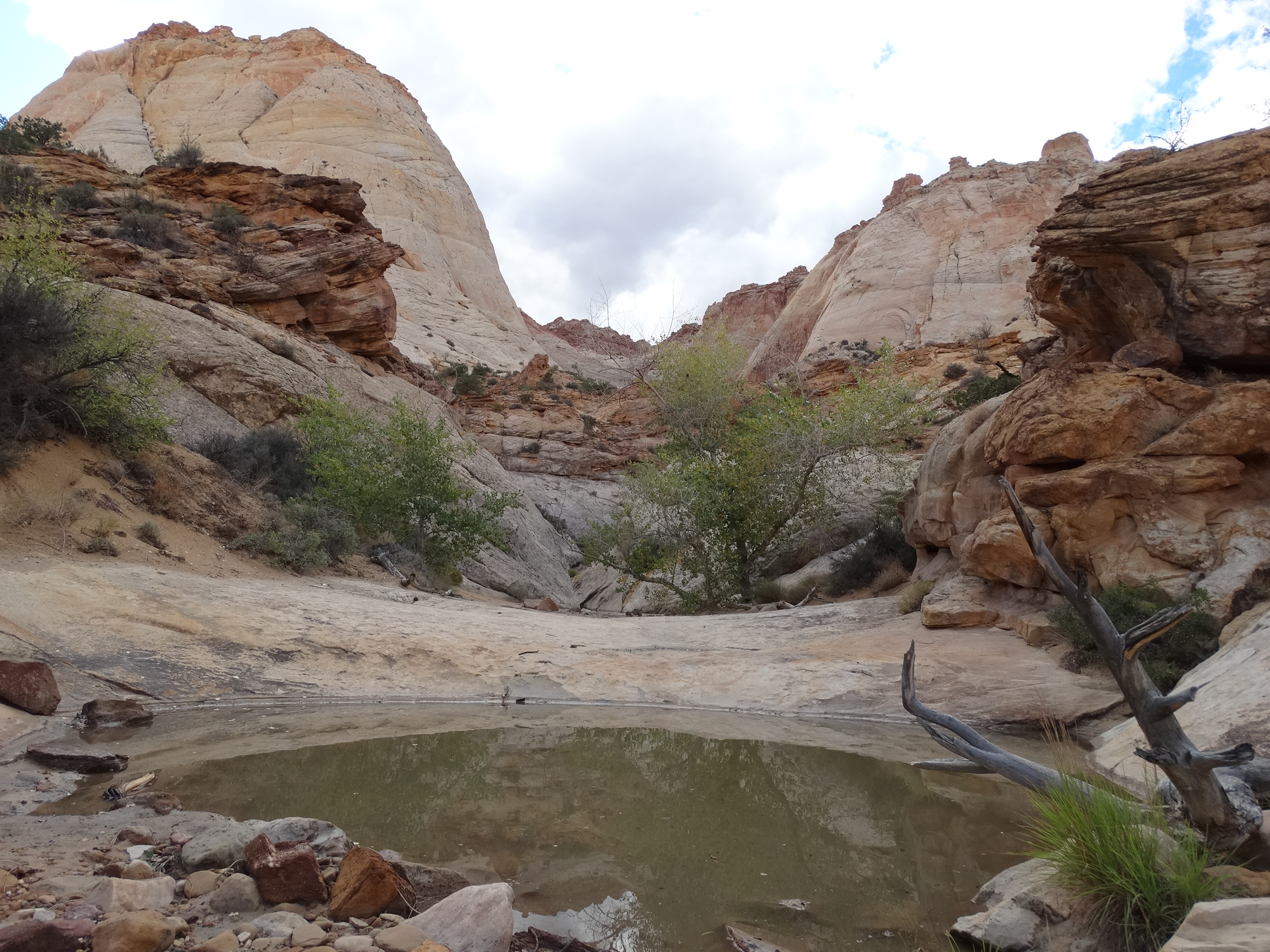
Yes — because it fills a gap the other parks don’t.
Capitol Reef is one of the only places in Utah where you can experience red-rock scenery and genuine quiet. The park stretches for nearly 100 miles north to south, but most visitors only explore the front-country sections near Fruita, meaning you get big scenery without crowds lining every viewpoint.
What makes it especially worth visiting:
Most people say Capitol Reef ends up being the “breather” they didn’t know they needed on a Mighty 5 trip.
Yes — it’s one of the easiest national parks to see without major effort.
You can enjoy a surprising amount of Capitol Reef from short trails and scenic pull-offs. Some excellent low-effort experiences include:
If you do want a longer trail, the park has plenty, but it’s one of the most accessible Utah parks for travelers who prefer gentler days.
If you’re looking for more hiking ideas, we also have guides to the best trails in Capitol Reef and routes that work especially well for families.
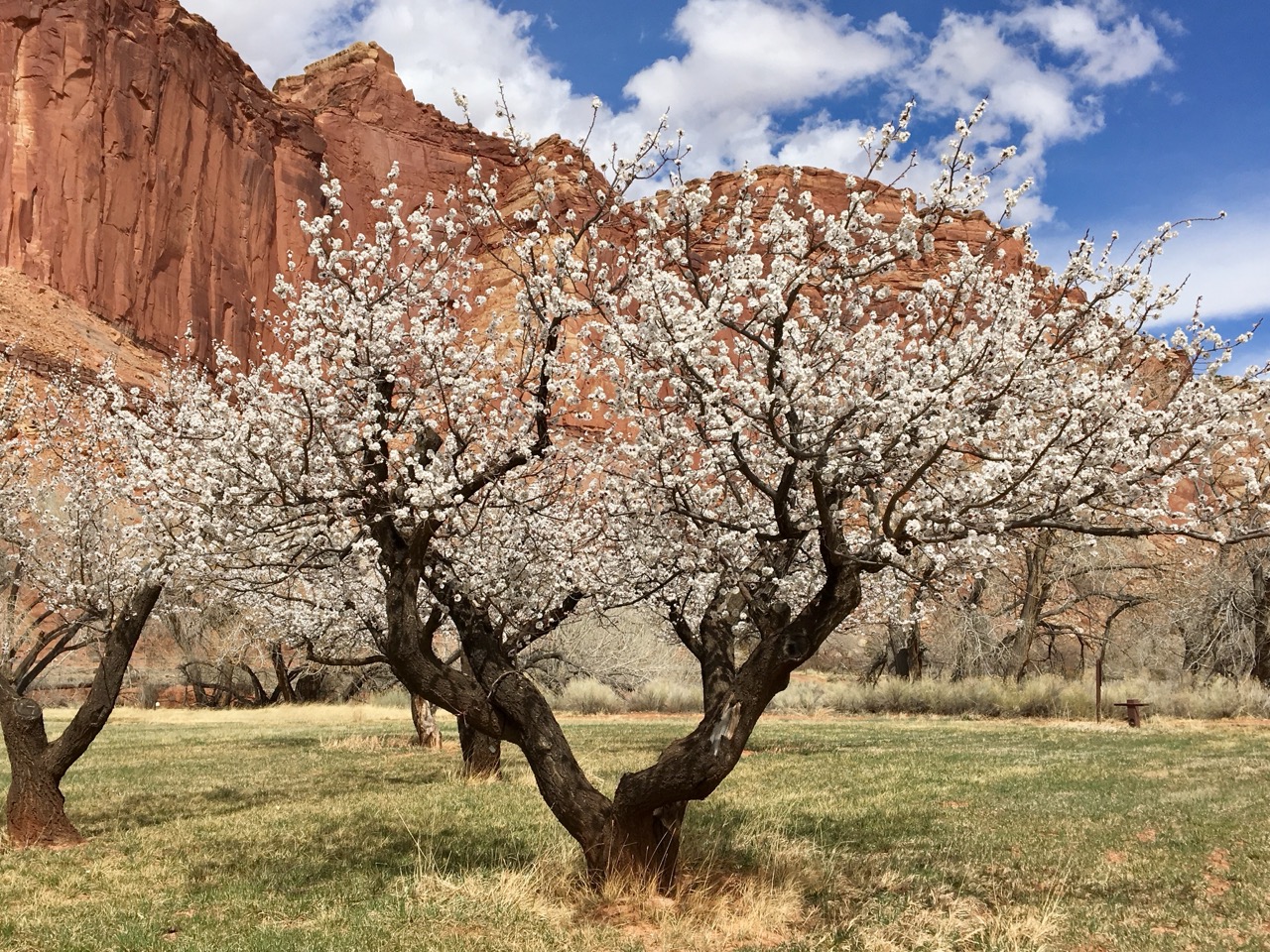
Capitol Reef is significantly less crowded than Zion, Bryce Canyon, or Arches, even in peak season. Parking lots fill, but not to the same stressful degree you might experience elsewhere. Trails spread people out naturally, and sunrise or late afternoon in the park often feels surprisingly peaceful.
This alone makes it worth a stop for travelers who want Utah scenery without the shoulder-to-shoulder feeling that sometimes comes with more popular parks.
This is where the park really stands out, not in one big defining feature, but in a collection of smaller, unusual details that make the experience feel different from anywhere else in Utah.
Here’s what sets it apart:
The historic orchards, barns, irrigation systems, and schoolhouse still sit exactly where settlers built them in the late 1800s. Visitors can walk through peach, cherry, and apple orchards, wander past old stone walls, and see petroglyphs layered into the cliffs above, a blend of natural and human history that’s unusually accessible.
Running nearly 100 miles, this geologic wrinkle in the earth creates the dramatic cliffs, domes, canyons, and tilted rock layers that define the park. It’s the reason Capitol Reef looks so different from Utah’s other national parks, its scenery comes from compression and uplift, not just erosion.
Unlike parks where one “signature” formation dominates the experience, Capitol Reef shifts constantly: narrow washes like Grand Wash, rounded Navajo domes, Fremont River canyons, red-gold cliffs, and big open overlooks all sit within a short drive of each other.
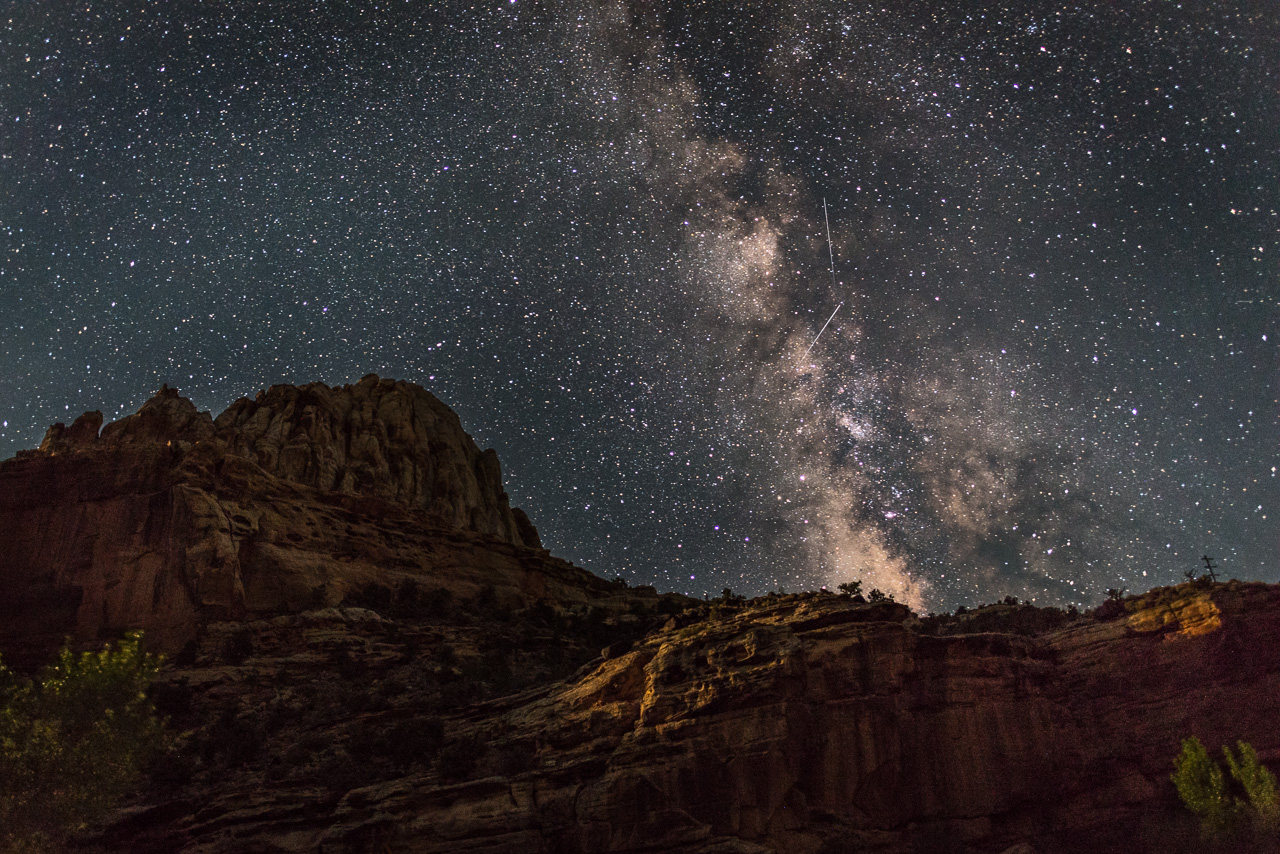
Capitol Reef is an International Dark Sky Park, and the stargazing is exceptional — especially from areas just outside the Fruita District.
Together, these qualities make the park feel more varied, more personal, and more rooted in real history than many visitors expect.
Capitol Reef resonates especially well with travelers who:
You don’t need to be an expert hiker or geology buff to enjoy Capitol Reef. You just need to appreciate beautiful landscapes and a slightly slower pace.
%20Large.jpeg)
Capitol Reef is best experienced when you’re not rushing through it, which is why staying nearby makes a big difference.
The Broken Spur Inn & Steakhouse sits just minutes from the park entrance and offers:
It’s a convenient, welcoming base for exploring the park at sunrise, sunset, and everything in between.
If you’re planning a visit to Capitol Reef, or building a Mighty 5 itinerary, staying close allows you to slow down and actually experience what makes the park special.
Browse our rooms and start planning your stay today.
December 17, 2025