

The Broken Spur Inn is just minutes from the park entrance, with breakfast, an indoor pool, and an on-site steakhouse.
The grand circle road trip is one of the most iconic national park routes in the American Southwest. Starting and ending in Las Vegas, the loop connects desert canyons, alpine plateaus, river corridors, and some of the most recognizable landscapes in the country.
What makes the grand circle road trip special is not just the parks themselves, but how dramatically the scenery changes as you move between them. In a matter of days, you’ll travel from narrow canyon walls to open high desert, from cool forests to sun-baked sandstone.
This guide outlines a realistic grand circle road trip itinerary that connects many of the most iconic grand circle national parks across Utah and northern Arizona. It follows the route most travelers actually drive and reflects the pacing that works best for first-time visitors.

This itinerary assumes a clockwise loop beginning in Las Vegas, the most common starting point due to flight availability and proximity to southern Utah.
If you’re starting elsewhere:
The order below reflects how most travelers experience the grand circle national park road trip most comfortably.
The grand circle road trip refers to a circular route through the Southwest that links multiple parks into one continuous drive. A typical national park grand circle itinerary includes national parks and monuments across Utah and northern Arizona, forming a loop that begins and ends in the same city.
While routes can vary slightly, most versions of the grand circle road trip follow a clockwise pattern to minimize backtracking and create a natural progression of scenery.
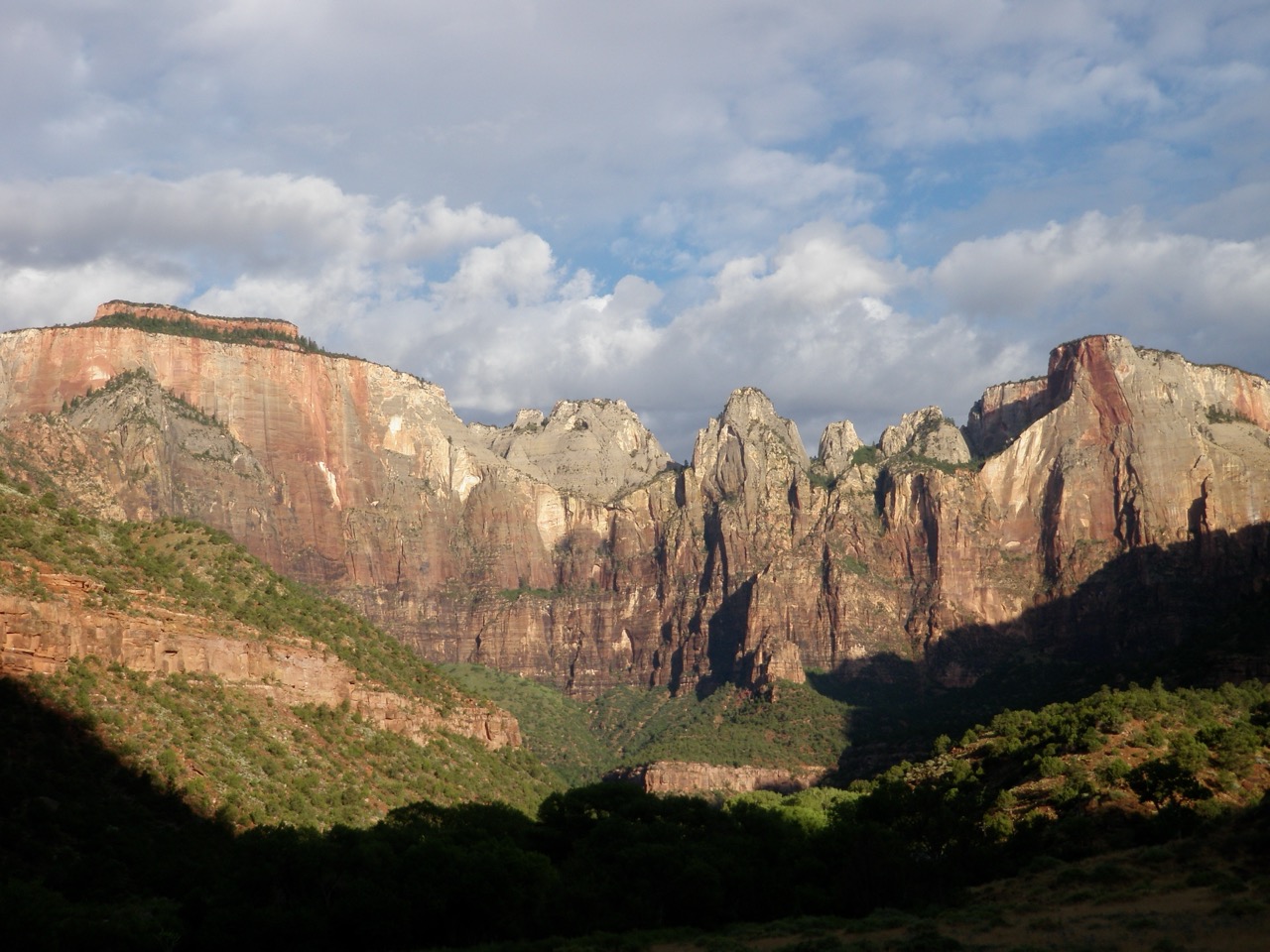
Las Vegas → Zion (2.5 hours)
Zion delivers immediate impact and sets expectations early in the trip.
Helpful planning insights:
Plan one major hike and one lighter day. Zion is visually overwhelming at first, and trying to do too much here often leads to burnout early in the grand circle trip itinerary.
%20Large.jpeg)
Zion → Bryce Canyon (1-2 hours)
Bryce feels completely different from Zion despite the short drive.
What surprises most travelers:
A below-the-rim hike gives essential perspective, but even short walks provide a strong sense of scale.
%20Large.jpeg)
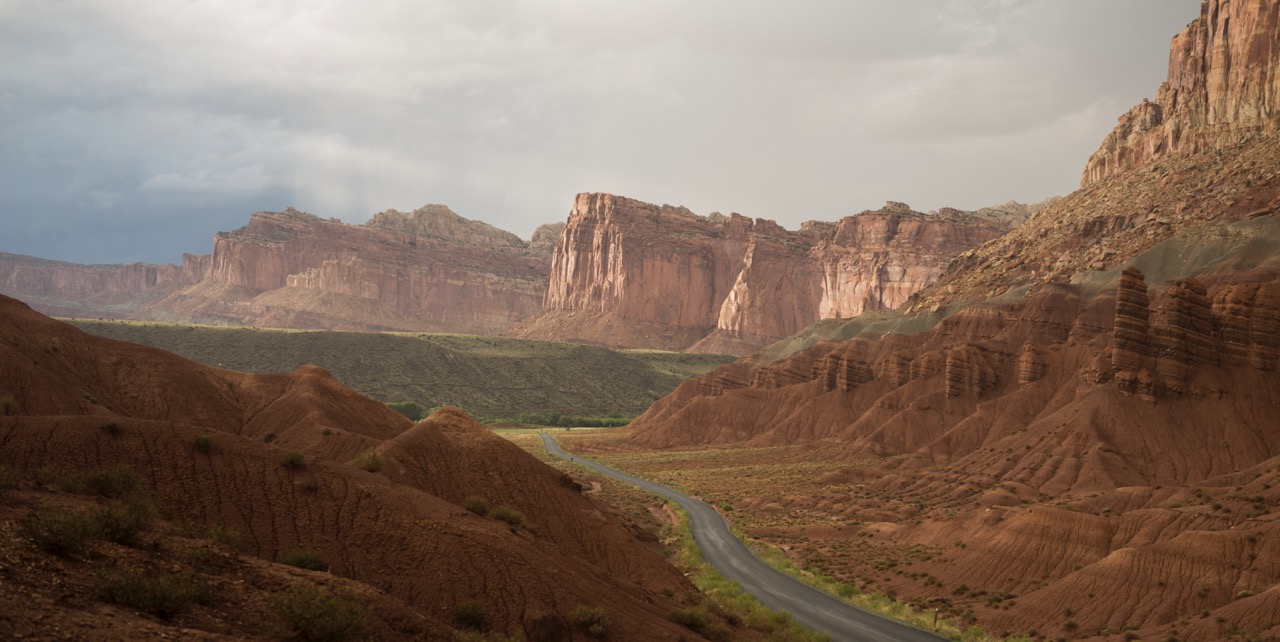
Bryce Canyon → Capitol Reef via Scenic Highway 12 (2.5–3 hours)
This stretch marks one of the most scenic transitions of the entire grand circle road trip itinerary.
Why this section matters:
Capitol Reef is well suited for flexible exploration. Short hikes, scenic pull-offs, and the historic Fruita district make it easy to adjust plans based on energy levels and weather.
For many travelers, this becomes the midpoint of the grand circle national parks route and a welcome reset before continuing east.
Capitol Reef → Moab (2.5 hours)
(Arches & Canyonlands National Parks)
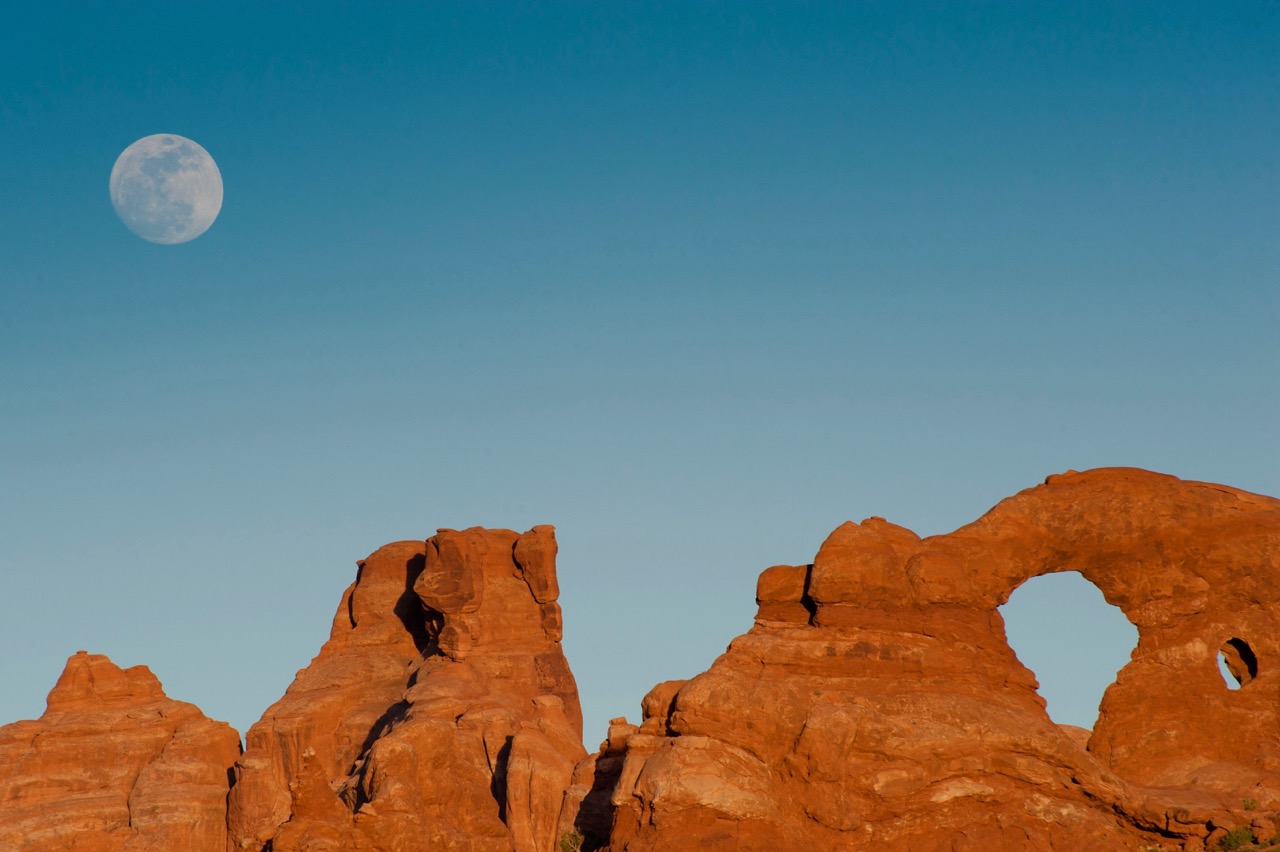
Moab is the most activity-dense portion of the grand circle national park road trip.
Helpful things to know:
Spreading visits across multiple days prevents fatigue and allows travelers to experience both parks without rushing.
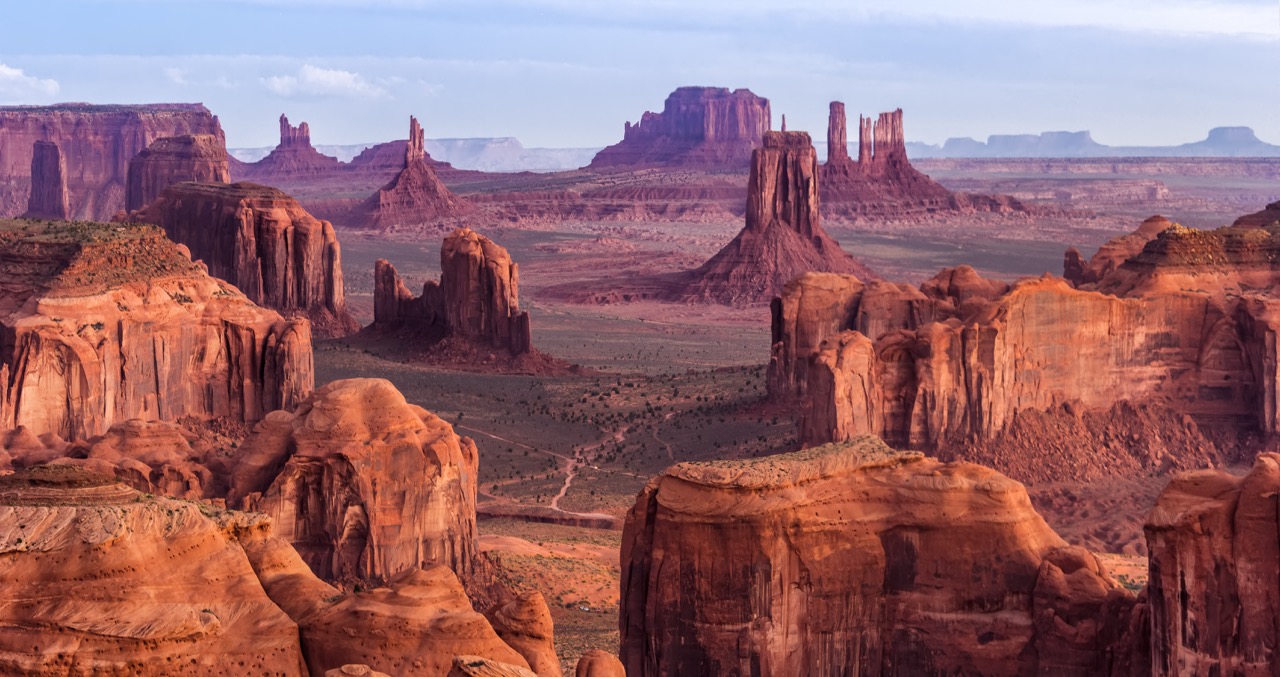
Moab → Monument Valley (2.5–3 hours)
Monument Valley introduces a sense of openness that feels completely different from the Utah parks.
Key things to keep in mind:
This stop adds cultural depth to the national park grand circle route.
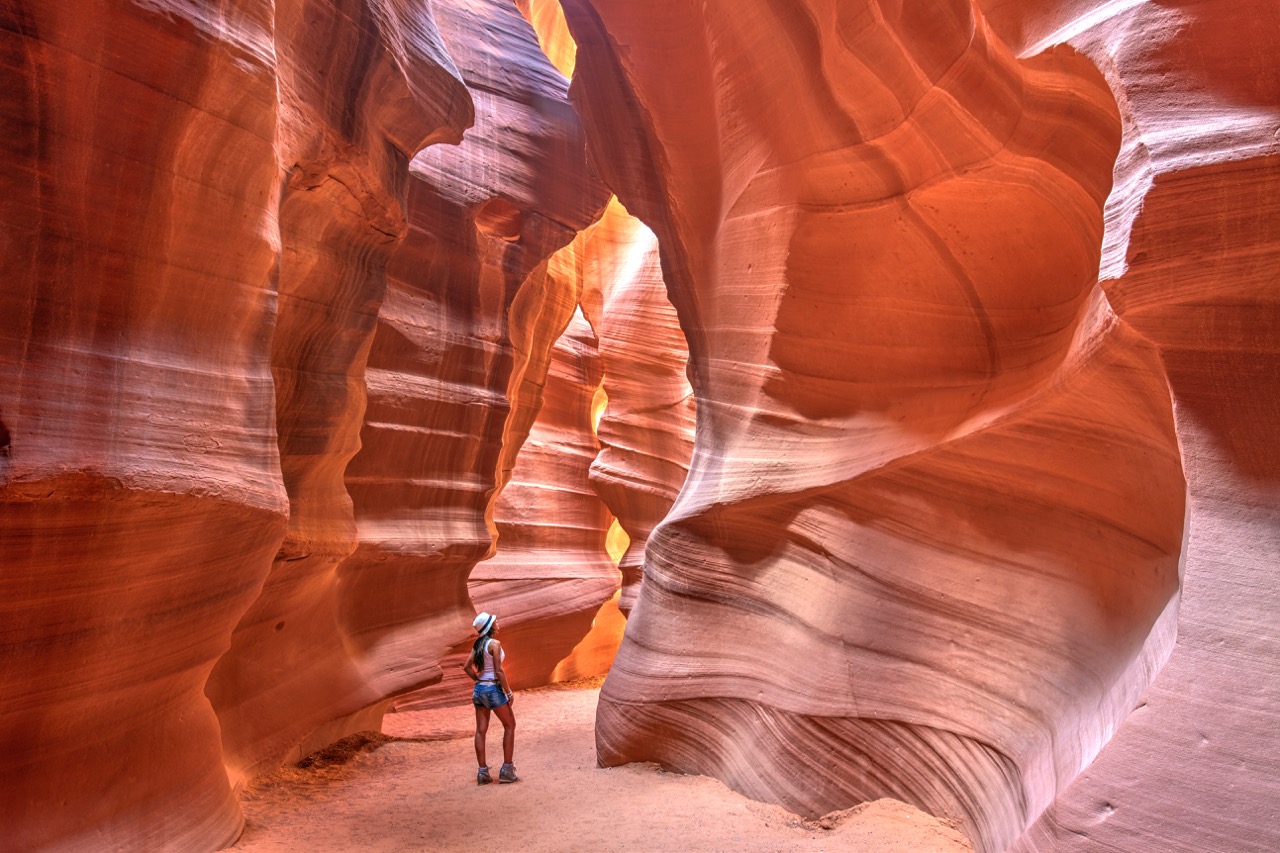
Monument Valley → Page (2 hours)
Page adds contrast after days of rock and desert terrain.
What travelers often underestimate:
This stop also helps balance longer driving days within the grand circle road trip.
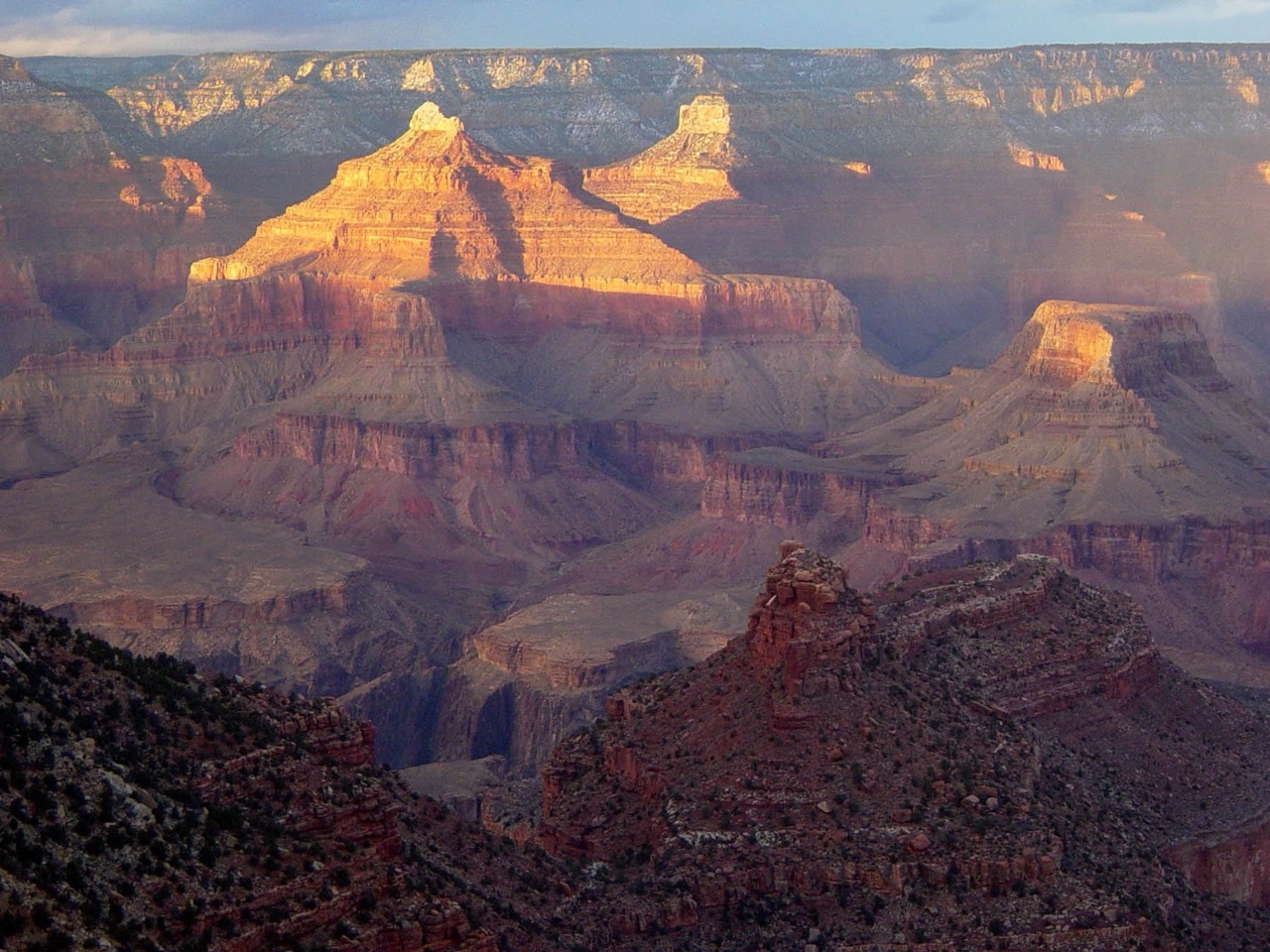
Page → Grand Canyon South Rim (2 hours)
The Grand Canyon serves as the emotional finale of most grand circle trip itineraries.
Helpful planning notes:
Many travelers find the canyon more impactful after experiencing smaller parks earlier in the route.
Grand Canyon → Las Vegas (4–4.5 hours)
This final leg completes the loop and brings the grand circle road trip full circle.
This grand circle road trip itinerary works because it:
Rather than rushing park to park, this structure allows each landscape to feel distinct.
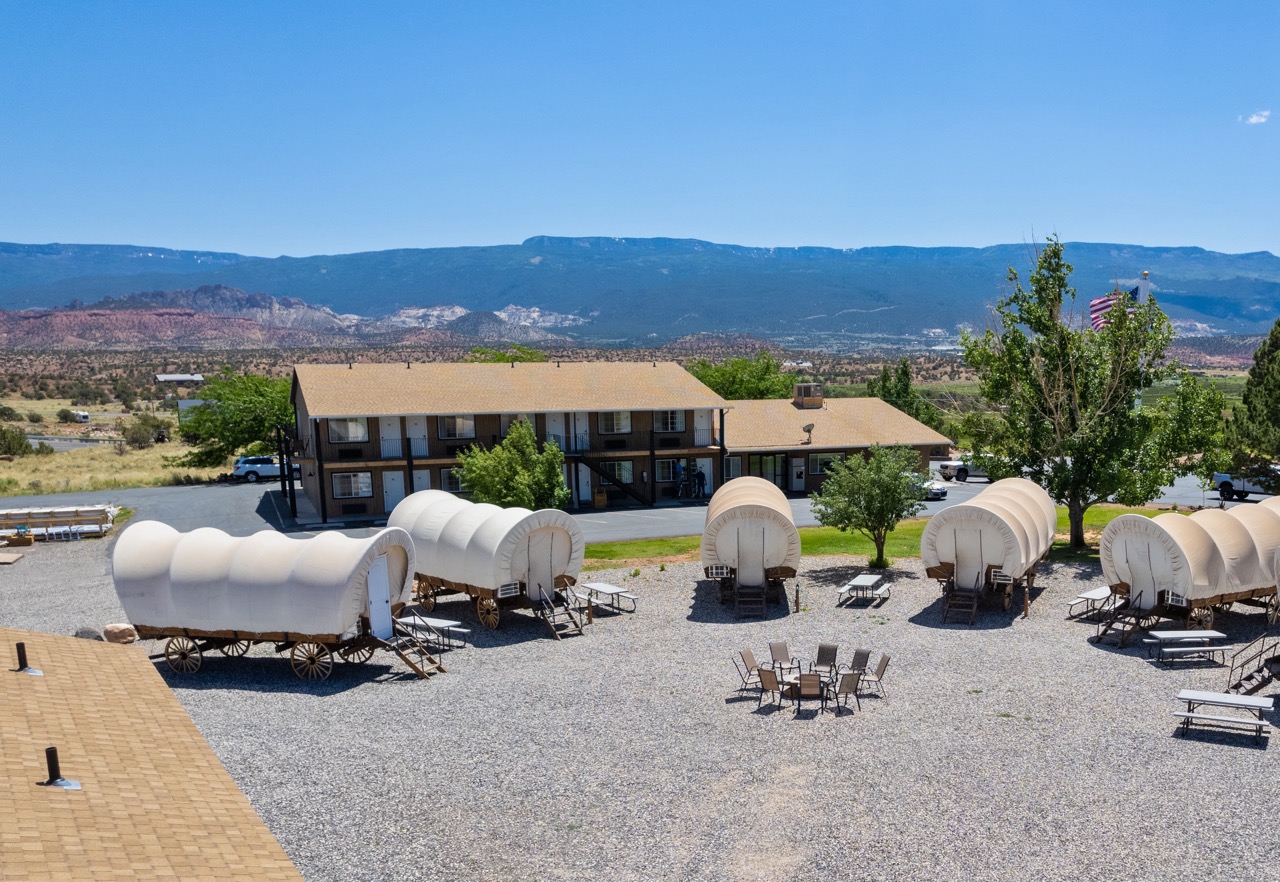
If your grand circle national park road trip includes southern Utah, don’t skip the Capitol Reef region.
The Broken Spur Inn & Steakhouse in Torrey sits just minutes from the park entrance and offers a convenient midpoint between Bryce Canyon and Moab. Staying nearby allows travelers to slow the pace of their grand circle road trip, break up long driving days, and experience one of the most overlooked sections of the route.
Whether you follow this full grand circle trip itinerary or adapt parts of it to fit your schedule, this stretch of Utah often becomes one of the most memorable parts of the journey.
Thinking about doing the shorter Mighty 5 road trip? Check out our blog for helpful suggestions.
February 11, 2026